


A Note from the Shlicha:
Rediscovering Hope in the Kibbutz Haggadot
March 2026 | By Lior Lekner
As we approach this Passover, We are proud to host the first-ever English translations of rare Passover Haggadot, originally created in the fields of Israel’s kibbutzim.
Originally curated as part of the emotional recovery of the Gaza Envelope communities after October 7th, this exhibition tells a profound story of resilience. It highlights how kibbutzim are returning to their cultural roots to reclaim their identity and find hope for the future.
I invite you to explore this unique legacy with us through the following article and our upcoming community events.
Haggadot of Hope: The Untold Story of the Kibbutz Passover
Did you know that for decades, in the heart of Israel’s fields, Passover was rewritten as an act of radical creativity and pioneering spirit?
Growing up in the city, I always saw Passover as a fixed tradition. But when I was first exposed to the story of the Kibbutz Haggadot, it changed everything for me. Seeing how these communities used culture to build a society and breathe new life into ancient rituals showed me the incredible power of communal creativity. It inspired me to take my own Jewish identity more seriously.
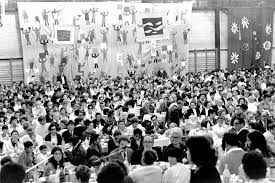
Within the Kibbutz movement, a bold Jewish-secular tradition evolved, transforming the Seder night from a family dinner into a massive communal production.
What makes the Kibbutz Haggadah so unique?
The pioneers of the kibbutzim didn't seek to abandon tradition, but to breathe relevant life into it. They created "productions" where entire communities - children and adults alike - learned to sing, dance, and act out the story of freedom. These texts feature fascinating innovations that offer a new perspective on the holiday:
Bringing Moses Back to Center Stage: While the traditional Haggadah almost entirely omits Moses to focus on Divine intervention ("I and not an angel"), the kibbutzim brought Moses back as a model for human leadership. Moses was the leader who brings a nation to freedom through human action and hard work - an inspiration for a generation seeking to redeem itself.
Reconnecting to the Land: The kibbutzim restored the full text of Mikra Bikkurim (Deuteronomy 26). While Diaspora authors omitted the verses describing the dwelling in the Land of Israel due to the pain of exile, kibbutz members - finally home - proudly recited: "And He brought us into this place... a land flowing with milk and honey."
The Israeli Spring and the Omer Ceremony:
To reconnect the holiday to nature, the kibbutzim revived the biblical Omer festival. They moved the "Counting of the Omer" away from its traditional context of mourning and transformed it into a magnificent agricultural celebration of the first harvest, accompanied by songs and dances created specifically for their fields.
Pioneering Feminism and Current Events:
Decades before modern social shifts, kibbutzim integrated the figure of Miriam the Prophetess as an integral part of the story. The Haggadah was a "living text" - each year, references to contemporary events were added, from the struggle for independence to the liberation of oppressed Jews worldwide.
From the Past to Reconstruction: Inspiration for Today
The exhibition "Haggadot of Hope" was originally created in Hebrew as part of the emotional and physical reconstruction of the Gaza Envelope kibbutzim following the events of October 7th. For the communities of Be’eri, Nachal Oz, and Yad Mordechai, returning to their historical Haggadot was more than nostalgia; it was a therapeutic tool that helped them remember who they are and the values they were raised on.
The SHITIM Institute, which accompanied this social and cultural reconstruction process, also worked extensively to translate and adapt these Haggadot, making this profound Israeli story accessible to us here in the US. Finding these roots helps explain why these communities continue to fight for their lives and their home.
In these difficult days of war, as we worry for Israel and face immense challenges from near and far, we invite you to connect with a project that reminds us of our strength.
Lior Lekner




Come experience the exhibition, meet its creators, and find inspiration for a meaningful and creative Passover. You can visit the exhibition at these upcoming Brooklyn events:
Kane Street Synagogue | Friday, March 20 (Post-services Oneg & Tour)
Park Slope Jewish Center | Saturday, March 21, 1:00 PM (Post-services Kiddush & Tour)
Brooklyn Heights Synagogue | Wednesday, March 25, 7:00 PM